Gynecomastia and Digital Creators
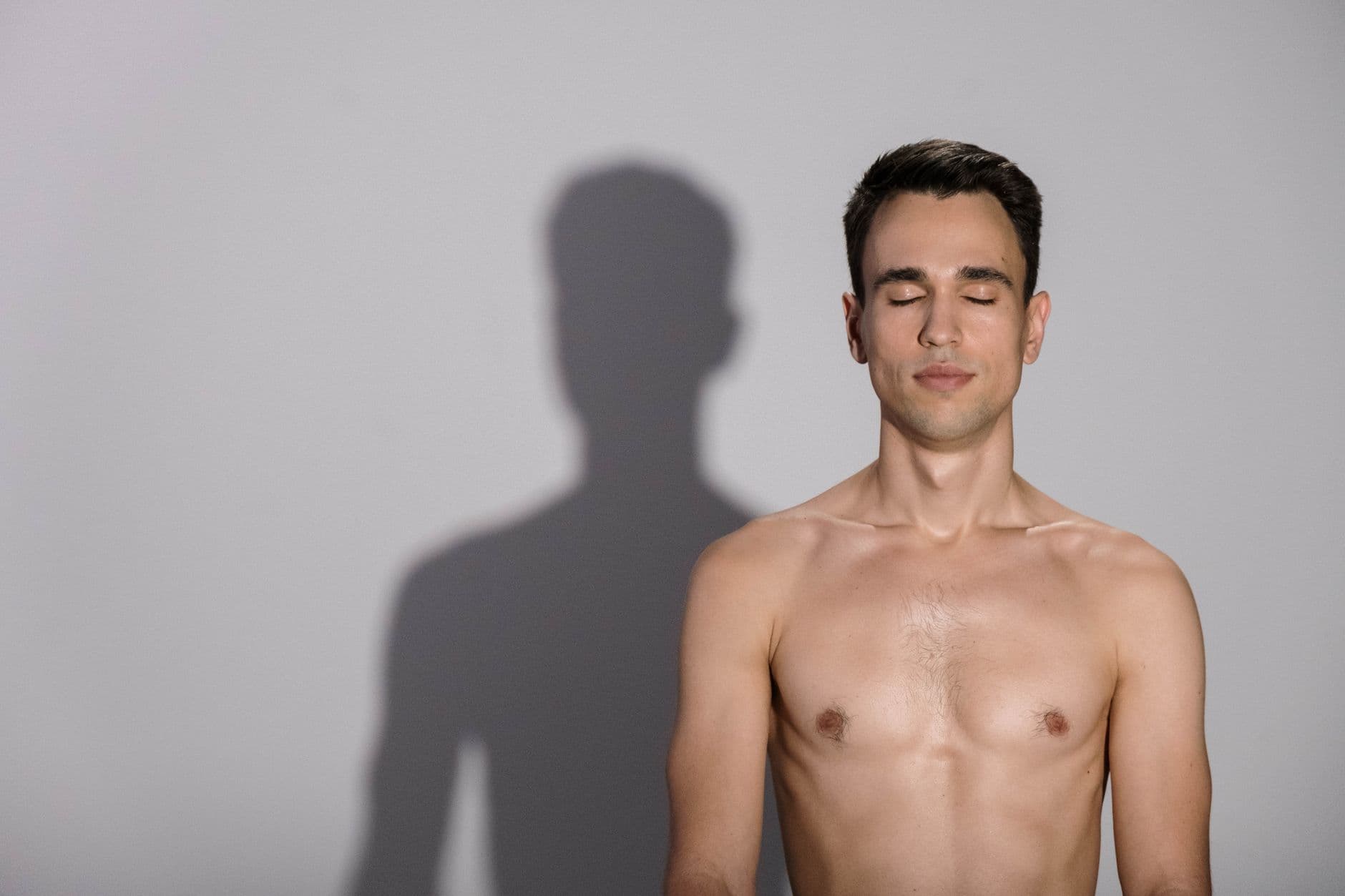
Understanding Gynecomastia in the Streaming Era
As content creators, streamers, and digital professionals, we often discuss the visible health challenges of our profession—eye strain, carpal tunnel, and poor posture. However, there’s one condition that many male creators face silently: gynecomastia. This medical term refers to the development of excess breast tissue in men, and while it’s rarely discussed in creator communities, it affects an estimated 30-60% of men at some point in their lives.
For those who appear regularly on camera—whether streaming on Twitch, creating YouTube content, or hosting webinars—gynecomastia can significantly impact confidence and mental well-being. The sedentary nature of content creation, combined with irregular eating schedules, stress, and the physical demands of our digital lifestyle, may contribute to hormonal imbalances that can trigger or worsen this condition.
The Digital Creator Lifestyle and Male Health
The connection between our profession and various health concerns extends beyond screen-related issues. Content creators often work irregular hours, subsisting on quick meals and energy drinks during marathon editing sessions or 12-hour stream days. This lifestyle can affect testosterone and estrogen balance in ways that surprise many men in the industry.
Sleep disruption is particularly common among creators who stream late into the night or work across multiple time zones to reach global audiences. Research shows that chronic sleep deprivation can lower testosterone levels while potentially increasing estrogen conversion, creating a hormonal environment where gynecomastia may develop or worsen.
Additionally, the stress of content creation—algorithm changes, subscriber fluctuations, sponsorship pressures—triggers cortisol release that can further disrupt hormonal balance. For male creators experiencing unexplained chest tissue development, understanding gynecomastia causes and treatment options becomes an important step toward addressing both physical symptoms and the psychological impact.
Recognizing the Signs
Many male content creators may notice changes but dismiss them or feel too embarrassed to seek information. Gynecomastia typically presents as firm or rubbery tissue beneath the nipple area, which may be tender to touch. It can affect one or both sides and ranges from barely noticeable to quite prominent.
It’s important to distinguish gynecomastia from pseudogynecomastia, which is excess fat tissue rather than glandular breast tissue. True gynecomastia involves actual breast gland enlargement, while pseudogynecomastia is related to weight gain—something many creators experience when transitioning to full-time content creation and becoming more sedentary.
When to Be Concerned
While gynecomastia is often benign and sometimes temporary, certain signs warrant medical evaluation. If you notice rapid onset, significant pain, nipple discharge, or changes in only one breast, consult a healthcare provider. These could indicate underlying conditions requiring attention.
For content creators, the psychological impact can be just as significant as the physical symptoms. Camera confidence is crucial for on-screen talent, and body image concerns can affect performance, content quality, and career trajectory. Some creators have reported avoiding certain camera angles, wearing specific clothing to conceal their chest, or even reducing their on-camera presence due to self-consciousness about gynecomastia.
Contributing Factors in the Creator Community
Several factors common in content creation lifestyles may increase gynecomastia risk. Energy drinks and supplements, often consumed to maintain alertness during long sessions, sometimes contain ingredients that affect hormone levels. Certain pre-workout supplements, in particular, have been associated with hormonal fluctuations.
Weight fluctuations are also common among creators. The initial weight gain when starting full-time content creation, followed by crash diets before conventions or sponsored appearances, creates metabolic stress that can trigger hormonal changes. Fat tissue produces estrogen through a process called aromatization, and rapid weight changes can disrupt this delicate balance.
Certain medications for anxiety, depression, or other conditions common among digital professionals can also contribute to gynecomastia as a side effect. If you’ve recently started a new medication and noticed chest changes, discussing this with your healthcare provider is essential.
Taking Action: Options for Content Creators
The good news is that gynecomastia is highly treatable, and many cases resolve with lifestyle modifications. For content creators, this might mean restructuring your work schedule to prioritize sleep, improving nutrition despite busy editing deadlines, and incorporating exercise into your daily routine—even if it’s just standing desk intervals or brief workout breaks between streams.
Reducing alcohol consumption can also help, as alcohol affects liver function and the body’s ability to metabolize estrogen. For creators who’ve built social drinking into their stream content or networking routine, finding alternatives that don’t compromise your health is worthwhile.
Medical Interventions
When lifestyle changes aren’t sufficient, medical options exist. Hormone therapy may be appropriate in some cases, particularly if testing reveals specific imbalances. Surgical intervention is also available for persistent gynecomastia that doesn’t respond to conservative measures.
For content creators concerned about downtime, it’s worth noting that modern gynecomastia surgery techniques have become less invasive with shorter recovery periods. Many creators schedule procedures during planned content breaks or off-seasons, returning to their cameras within weeks.
The Mental Health Component
Beyond physical treatment, addressing the psychological impact of gynecomastia is crucial for content creators whose livelihoods depend on camera presence. Body dysmorphia can develop when creators constantly scrutinize their appearance in thumbnails, recorded content, and live streams.
Seeking support through therapy or creator communities can help. You’re far from alone—many successful male streamers and YouTubers have dealt with similar concerns, though the topic remains rarely discussed publicly. Creating open dialogues about male health issues in content creator spaces helps reduce stigma and encourages others to seek help.
Prevention Through Lifestyle Optimization
While not all gynecomastia cases are preventable, content creators can take steps to minimize risk. Maintaining a consistent sleep schedule, even when streaming, supports hormonal balance. Meal planning and preparation ensure proper nutrition despite irregular work hours. Regular exercise, particularly strength training, helps maintain healthy testosterone levels and body composition.
Monitoring supplement intake and avoiding products with questionable ingredients protects against hormone disruption. If you use supplements, research them thoroughly and consult healthcare professionals about potential effects on hormonal health.
Building Sustainable Creator Health
Just as we discuss eye health, ergonomic setups, and mental wellness in creator communities, male-specific health concerns like gynecomastia deserve attention. The same dedication we apply to optimizing our streaming setups and content quality should extend to our physical well-being.
Creating sustainable work practices—setting boundaries on stream hours, scheduling regular breaks, prioritizing sleep, and maintaining physical activity—benefits not just hormonal health but overall quality of life and career longevity in this demanding industry.
Moving Forward with Confidence
Gynecomastia doesn’t define you as a creator or diminish your talent, but addressing it can restore confidence and improve your on-camera presence. Whether through lifestyle modifications, medical intervention, or simply better understanding of the condition, taking action empowers you to focus on what matters most—creating great content.
The content creation industry has evolved to prioritize creator wellness, recognizing that sustainable success requires healthy creators. Just as we’ve normalized discussions about managing eye strain from screen time or preventing burnout, we can create space for honest conversations about all health concerns affecting our community, including those like gynecomastia that have traditionally carried unnecessary stigma.
Remember that seeking information and medical advice about any health concern, including gynecomastia, is a sign of professionalism and self-care, not weakness. Your audience values authentic creators who prioritize their well-being, and addressing health concerns head-on allows you to show up as your best self, both on and off camera.